01
Passwordless Authentication
Reduce password risk with modern authentication workflows that are more resistant to phishing, credential theft, and password reuse.

DBT helps organizations modernize authentication, reduce credential risk, strengthen access policies, and improve identity visibility across users, devices, cloud applications, remote access, and critical systems.

Identity has become one of the most important control planes in cybersecurity. DBT helps organizations design, implement, and support practical identity controls that protect users, administrators, cloud applications, remote access, and business-critical systems. Our approach focuses on phishing-resistant authentication, conditional access, access governance, monitoring, and operational workflows that your IT team can sustain.
DBT helps organizations protect identities, reduce password exposure, control access, and strengthen authentication across cloud, hybrid, and regulated environments.
Reduce password risk with modern authentication workflows that are more resistant to phishing, credential theft, and password reuse.
Strengthen sign-ins with MFA strategies designed to resist push fatigue, adversary-in-the-middle attacks, and stolen credentials.
Apply access decisions based on user identity, device posture, location, risk signals, application sensitivity, and session context.
Simplify application access while improving centralized control, auditability, and lifecycle management.
Monitor risky sign-ins, impossible travel, suspicious access patterns, privilege changes, and identity-based attack activity.
Reduce standing administrative privilege and protect access to sensitive systems, management portals, and critical infrastructure.
Review access rights, reduce over-permissioning, document approvals, and improve accountability for sensitive applications and data.
Improve onboarding, role changes, offboarding, account cleanup, and access evidence across the user lifecycle.
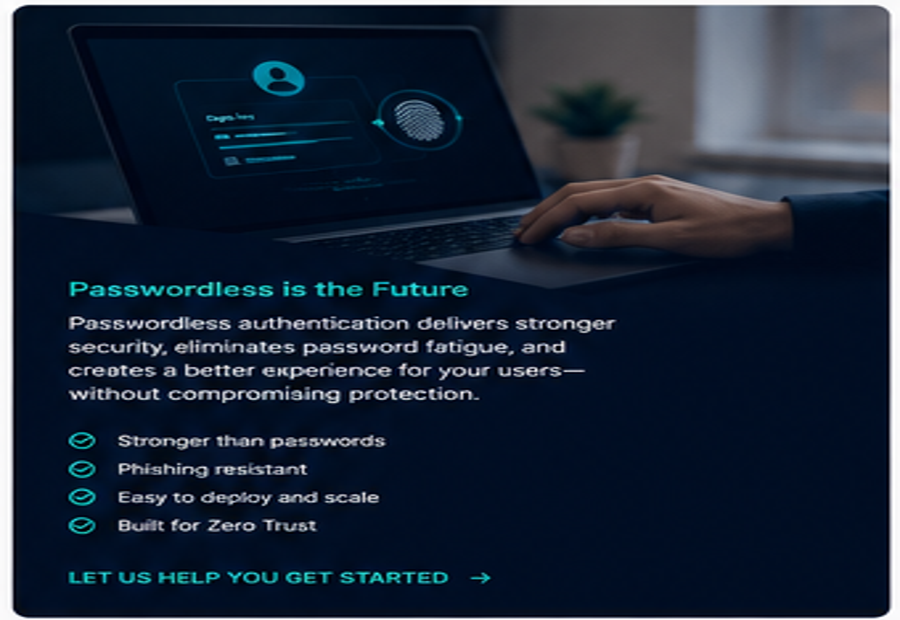
Passwords remain one of the most common paths into an organization. DBT helps implement passwordless and phishing-resistant authentication strategies that reduce credential exposure, improve user experience, and strengthen access security across key applications and remote access workflows.
Strong identity security depends on visibility and context. DBT helps organizations improve monitoring, policy design, alerting, reporting, and response workflows across identity platforms so suspicious access activity can be identified and investigated earlier.
Reduce credential risk, simplify access, strengthen control, and create a more manageable identity security program.
Limit exposure from password reuse, phishing, stolen credentials, weak MFA methods, and unmanaged legacy authentication.
Simplify access to approved applications while maintaining strong authentication and policy-based security requirements.
Support audit expectations for authentication, access control, privileged access, user accountability, and access review evidence.
Gain clearer insight into sign-ins, risky access, privilege changes, failed authentication patterns, and sensitive application usage.
Reduce password reset volume and access friction by modernizing authentication and simplifying user workflows.
Apply access policies more consistently across users, devices, applications, remote access, and administrative workflows.
Identity Resource Center
DBT publishes practical guidance for organizations evaluating phishing-resistant MFA, passwordless authentication, remote access security, VPN access, Active Directory modernization, and identity-driven compliance controls.
Control Areas
DBT focuses identity projects on the control areas that most directly reduce credential risk, improve auditability, and support secure access operations.
Improve MFA posture, reduce password reliance, adopt phishing-resistant methods, and close gaps from weak or legacy authentication.
Use conditional access, device posture, risk signals, group structure, and application sensitivity to make access decisions more consistent.
Protect administrator accounts, reduce standing privilege, strengthen approval workflows, and improve monitoring of sensitive access.
Improve onboarding, transfers, role changes, offboarding, stale account cleanup, and evidence that access changes are performed consistently.
Centralize access to business applications through SSO, policy enforcement, assignment governance, and stronger audit visibility.
Correlate sign-in activity, risky user events, impossible travel, MFA failures, service account activity, and privilege changes.
As DBT builds out formal case studies, these anonymized outcome examples preview the types of security, identity, compliance, and operational improvements the site should route visitors toward.
“DBT helped us modernize authentication, improve visibility, and strengthen our security posture without disrupting operations.”
“Their cybersecurity-first mindset is very different from a traditional MSP. The focus on operational risk and resilience has been invaluable.”
“DBT helped align our identity and compliance initiatives while improving the user experience. Their strategic guidance has been excellent.”
DBT’s Security Readiness Assessment helps identify gaps across cybersecurity operations, identity, compliance, infrastructure, monitoring, and resilience so your team can prioritize practical improvements.