01
Passwordless Strategy
Define the right passwordless approach for users, systems, authentication flows, business risk, and adoption priorities.

Move users to phishing-resistant authentication that improves security, reduces help desk friction, and supports a cleaner Zero Trust access model across cloud, remote access, workstations, and critical applications.
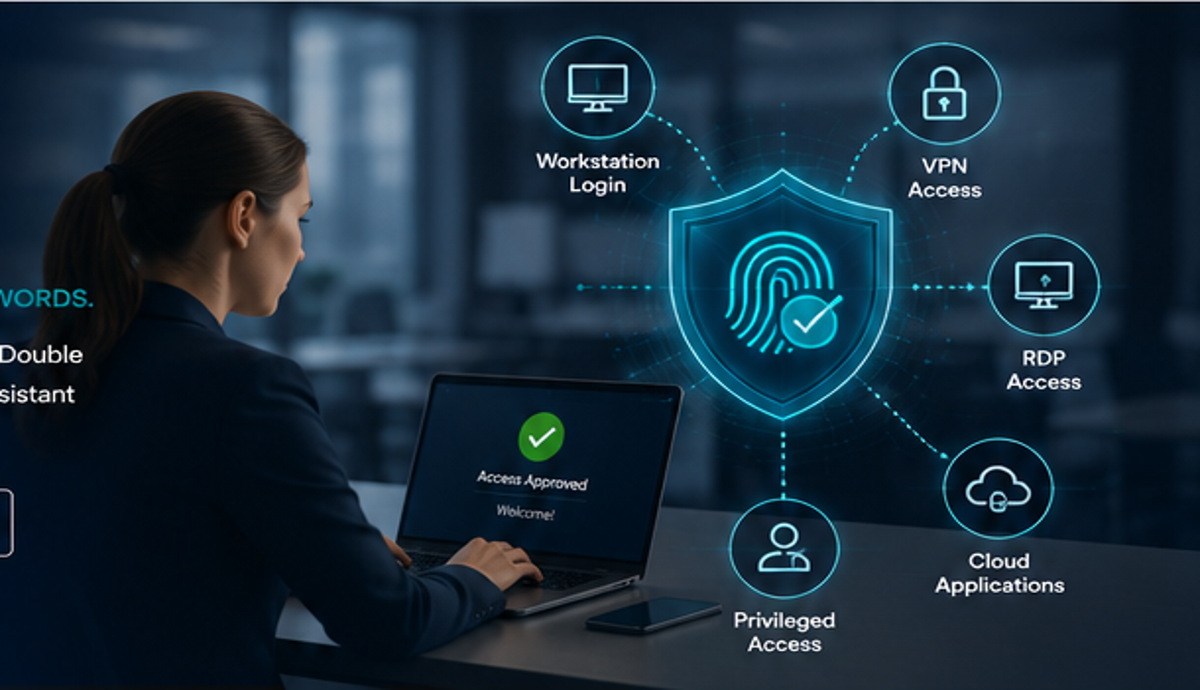
DBT helps organizations plan, deploy, and support passwordless authentication programs using technologies such as Secret Double Octopus and Microsoft Entra ID. The goal is simple: reduce credential-based attacks while making secure access easier for users, administrators, and IT support teams.
A structured approach to reduce password dependency, modernize authentication, and improve access security without creating unnecessary user friction.
Define the right passwordless approach for users, systems, authentication flows, business risk, and adoption priorities.
Implement passwordless authentication with platform design, integration, rollout planning, and operational support.
Align passwordless workflows with Entra ID, SSO, conditional access, and identity security policies.
Strengthen authentication against credential theft, MFA fatigue, adversary-in-the-middle attacks, and password spraying.
Design practical rollout plans for user enrollment, pilot groups, support readiness, communications, and adoption tracking.
Identify applications, sign-in flows, remote access paths, directories, and authentication dependencies before rollout.
Prepare support teams for enrollment, troubleshooting, account recovery, device changes, and user questions.
Tune policies, improve adoption, expand coverage, and continue reducing password exposure over time.
Passwords remain one of the most persistent security weaknesses in business environments. DBT helps organizations modernize authentication workflows while keeping rollout practical for employees, administrators, remote users, and support teams.
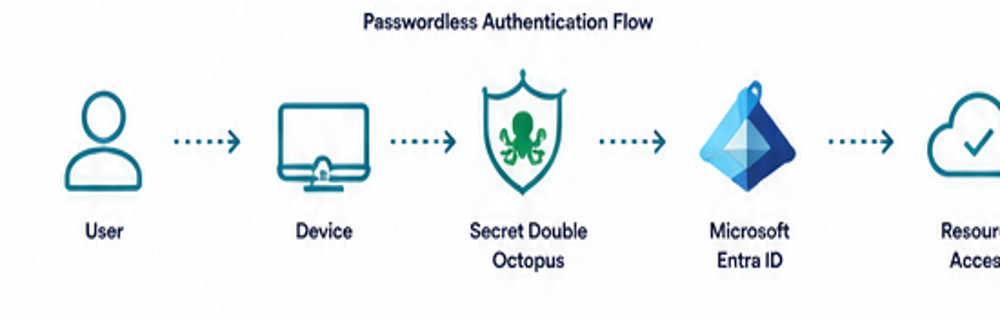
Passwordless authentication and phishing-resistant MFA reduce the effectiveness of common attacks such as credential phishing, password spraying, MFA fatigue, and credential replay. DBT helps align the technology, policies, and adoption plan needed to make the program successful.

Passwordless programs are strongest when they cover more than one login screen. DBT helps organizations evaluate where passwords are still creating risk and build a phased modernization plan across users, applications, directories, remote access, and administrative workflows.
Reduce local and domain password exposure by modernizing how users authenticate to endpoints and daily workstations.
Align SSO, Entra ID, conditional access, and phishing-resistant authentication for business-critical SaaS platforms.
Strengthen VPN, RDP, and remote access workflows where stolen credentials often create elevated business risk.
Apply stronger authentication and operational controls to administrator accounts and sensitive management workflows.
Plan pilot groups, communications, enrollment processes, exception handling, and support workflows for practical adoption.
Support access control, MFA, and identity governance expectations with clearer documentation and operational proof.
Improve user access while reducing password-driven risk, support overhead, and credential-based attack paths.
Make password theft, credential reuse, and credential replay less effective attack paths.
Lower help desk volume and user downtime by reducing reliance on traditional passwords.
Simplify secure access for employees, administrators, remote users, and support teams.
Align authentication strength with user role, device posture, application sensitivity, and session risk.
Support access control and MFA requirements with stronger authentication practices and clearer documentation.
Expand passwordless coverage across teams, applications, remote access paths, and administrative workflows.
DBT’s Identity Security Resource Center explains the practical differences between passwordless authentication, passkeys, phishing-resistant MFA, remote desktop access, VPN access, and broader identity modernization strategy.
As DBT builds out formal case studies, these anonymized outcome examples preview the types of security, identity, compliance, and operational improvements the site should route visitors toward.
“DBT helped us modernize authentication, improve visibility, and strengthen our security posture without disrupting operations.”
“Their cybersecurity-first mindset is very different from a traditional MSP. The focus on operational risk and resilience has been invaluable.”
“DBT helped align our identity and compliance initiatives while improving the user experience. Their strategic guidance has been excellent.”
DBT’s Security Readiness Assessment helps identify gaps across cybersecurity operations, identity, compliance, infrastructure, monitoring, and resilience so your team can prioritize practical improvements.