01
Identity Assessment
Review authentication flows, access controls, privileged accounts, MFA coverage, and identity-related risk exposure.

DBT helps organizations reduce credential risk, strengthen authentication, and build practical identity security programs across users, administrators, cloud applications, and critical systems.

Modern identity security connects authentication, access policy, lifecycle management, privileged access, monitoring, and compliance evidence into a program that reduces business risk. DBT helps organizations move from legacy password-dependent access toward stronger, more manageable identity controls that support real-world operations.
DBT helps organizations prioritize identity improvements based on risk, usability, compliance pressure, and operational readiness.
Review authentication flows, access controls, privileged accounts, MFA coverage, and identity-related risk exposure.
Evaluate where passwordless authentication and phishing-resistant MFA can reduce credential-based attack paths.
Improve Entra ID policies, conditional access, SSO, identity protection, and access governance practices.
Identify legacy authentication dependencies, privileged account exposure, and modernization paths for hybrid identity environments.
Reduce standing administrative privilege and improve protection for sensitive systems and elevated accounts.
Strengthen visibility into risky sign-ins, suspicious access, account misuse, and identity-based attack indicators.
Improve onboarding, role changes, access reviews, and termination workflows to reduce lingering access risk.
Support audit expectations for access control, authentication, unique user identification, and administrative accountability.
Legacy passwords, inconsistent MFA, and unmanaged authentication flows create avoidable risk. DBT helps organizations design modern authentication models that improve security while keeping access practical for employees, administrators, remote users, and business applications.
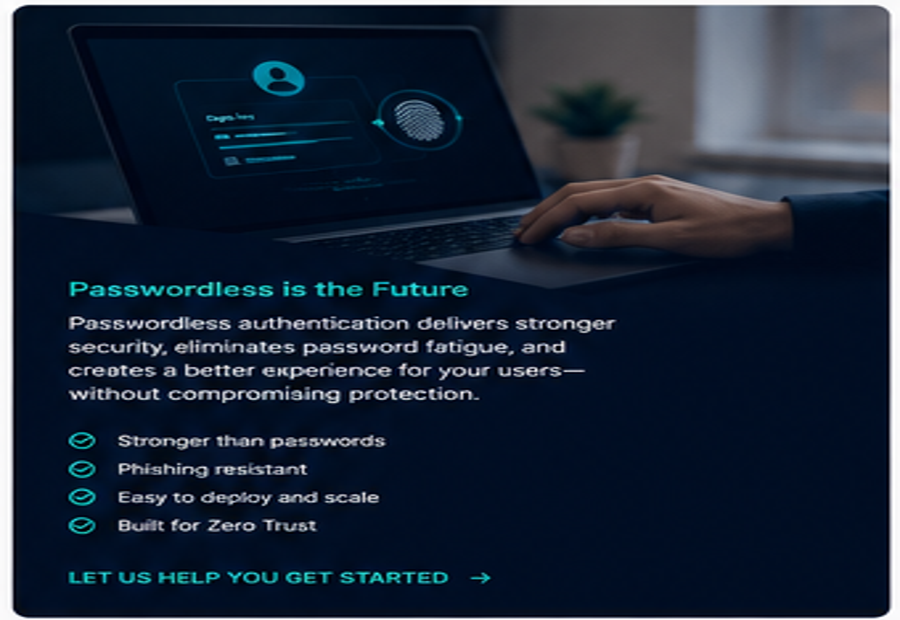
Identity modernization also requires better access governance. DBT helps organizations improve lifecycle workflows, access reviews, privileged account control, and evidence collection so identity security supports compliance and operational accountability.
Improve authentication, reduce account compromise risk, and create a more manageable access control model.
Limit exposure from password reuse, phishing, password spraying, and stolen credentials.
Improve controls around privileged accounts, sensitive applications, and critical infrastructure access.
Simplify access with SSO, conditional access, passwordless options, and better authentication workflows.
Support access control, authentication, audit logging, workforce access, and accountability requirements.
Gain clearer insight into sign-in activity, risky access, privileged use, and identity-based threat indicators.
Move forward with practical identity improvements based on business impact, risk, and implementation readiness.
Related Identity Resources
Explore DBT resources on passwordless authentication, phishing-resistant MFA, Active Directory modernization, VPN access, remote desktop access, and identity security program planning.
As DBT builds out formal case studies, these anonymized outcome examples preview the types of security, identity, compliance, and operational improvements the site should route visitors toward.
“DBT helped us modernize authentication, improve visibility, and strengthen our security posture without disrupting operations.”
“Their cybersecurity-first mindset is very different from a traditional MSP. The focus on operational risk and resilience has been invaluable.”
“DBT helped align our identity and compliance initiatives while improving the user experience. Their strategic guidance has been excellent.”
DBT’s Security Readiness Assessment helps identify gaps across cybersecurity operations, identity, compliance, infrastructure, monitoring, and resilience so your team can prioritize practical improvements.